Overview
One of the most important macronutrients that the human body needs is protein. It is essential for promoting general growth and development, mending tissues, and constructing muscles. Paneer, a fresh, unaged Indian cheese, is one of the most nutrient-dense and adaptable foods among protein sources, particularly for vegetarian diets. In addition to being a tasty way to fulfil your daily protein needs, paneer is high in protein and a good source of vitamins and minerals.
The protein concentration of paneer is thoroughly examined in this article, along with its nutritional profile, health advantages, dietary suggestions, comparisons to other protein sources, and more. By the end, you’ll know why paneer is frequently regarded as a protein powerhouse and how it can support a healthy, balanced way of living.
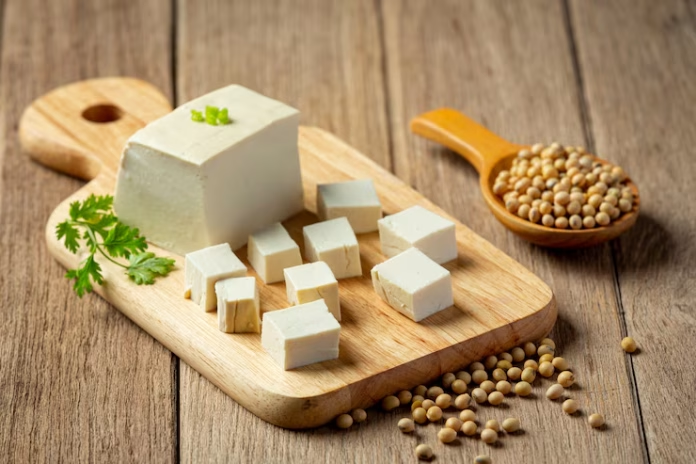
Paneer: What is it?
The soft cheese known as paneer, or Indian cottage cheese, is created by curdling milk with an acidic substance such as vinegar or lemon juice. It is a mainstay in Indian homes and cuisines because of its high protein content, dense texture, and mild flavour.
Paneer does not ferment like aged cheeses do, maintaining its nutritional value and freshness. It is a versatile component that can be used in a wide variety of recipes, ranging from appetisers and snacks like paneer tikka to main entrees like paneer butter masala.
A Closer Look at Paneer’s Protein Content
Paneer is well known for having a high protein content. Comparing paneer to many other vegetarian protein sources, it is noteworthy that 100 grammes of paneer typically contains 18 to 20 grammes of protein.
Because of this, paneer is a great protein option for vegetarians and anyone else who wants to boost their protein intake without eating meat. Furthermore, paneer’s protein is complete since it contains all nine essential amino acids, which the body is unable to produce on its own.
Protein Types in Paneer
Casein and whey are the two milk proteins that make up the majority of the protein in paneer.
About 80% of the protein in paneer is made up of casein. It is the perfect protein for muscle repair and long-lasting energy because it digests slowly and releases amino acids gradually over a number of hours.
Whey Protein: The remaining 20% is composed of whey. Whey is a protein that digests swiftly and gives muscles amino acids right away, promoting growth and recuperation right away.
Paneer is the ideal diet for muscle growth and recuperation because of its unique protein combination.
The Health Advantages of Paneer’s Protein
There are several health advantages to paneer’s high-quality protein content:
1. Repair and Growth of Muscles
The building blocks of muscles are proteins. Paneer’s casein and whey aid in the healing of muscle fibres harmed during exercise, fostering the development of stronger muscles.
2. Controlling Weight
Foods high in protein, such as paneer, encourage fullness, which lowers hunger and caloric intake. This can help with efforts to lose fat and manage weight.
3. Health of the Bones
Together with its high calcium content, paneer helps maintain strong bones and lowers the risk of osteoporosis.
4. The Immune System
By generating antibodies and immune cells, amino acids from paneer protein help the immune system.
5. Health of the Skin, Hair, and Nails
Because proteins are essential for the upkeep and repair of skin, hair, and nails, paneer is good for your general health and beauty.
Comparing Other Protein Sources to Paneer Protein
Paneer is a very good alternative to other vegetarian protein sources.
Lentils provide about half as much protein as paneer, with about 9 grammes per 100 grammes of cooked lentils.
Paneer is more protein-dense than tofu, which has roughly 8 grammes of protein per 100 grammes.
Eggs vs. Paneer: Eggs contain less protein than paneer, with about 13 grammes per 100 grammes.
Paneer vs. Chicken: Paneer is a fantastic vegetarian substitute, however chicken breast has a higher protein content (around 31 grammes per 100 grammes) than paneer.
How to Include Paneer in Your Diet to Get the Most Protein
Take into account the following advice to optimise paneer’s protein benefits:
Include Paneer in Main Meals: To increase the protein level of stir-fries, salads, and curries, add paneer.
Eat Paneer as a Snack: Roasted or grilled paneer cubes make a high-protein snack.
Combine with Whole Grains: To make a well-balanced meal that includes both protein and carbs, serve paneer with brown rice, quinoa, or whole wheat.
Choose Fresh Paneer: Compared to processed types, fresh homemade paneer retains more protein and minerals.
Protein and Paneer for Fitness Fans
Athletes and fitness enthusiasts frequently look for foods high in protein to aid in their training. Paneer’s comprehensive protein profile and combination of whey and casein make it perfect. It can be eaten as a high-protein snack during the day or as a post-workout snack to aid with muscle recovery.
Vegetarian diets and paneer protein
In order to supplement plant-based proteins, which could be deficient in some key amino acids, paneer is a crucial protein source for vegetarians. A complete amino acid profile is ensured when paneer is included in meals, promoting general health and wellness.
Beyond Protein, Nutritional Composition
Additionally, paneer offers vital minerals like:
Calcium is necessary for healthy bones.
Phosphorus: Promotes bone health in conjunction with calcium.
Vital for nerve function, vitamin B12 is frequently deficient in vegetarian diets.
Fat: Promotes the absorption of nutrients and supplies energy.
Possible Things to Think About and Moderation
Despite its nutritional value, paneer has a comparatively high calorie and saturated fat content. Particularly for those who have heart disease or cholesterol issues, moderation is essential. These problems can be lessened by limiting portion sizes or selecting low-fat paneer.
Protein Disparities Between Store-Bought and Homemade Paneer
Compared to store-bought paneer, homemade paneer is frequently fresher, may have higher protein, and contains fewer preservatives. Using full-fat milk to make paneer at home gives you more control over its nutritional content and quality.
Indian and International Cuisines Using Paneer
The appeal of paneer is not limited to traditional Indian cuisine. Around the world, it is being imaginatively incorporated into foods like salads, wraps, and paneer burgers, providing new ways to benefit from its protein content.
An overview of paneer’s protein benefits
high amount of protein (18–20g/100g)
Complete protein that contains every necessary amino acid
promotes immunological function, muscular growth, and repair.
Ideal for vegetarians looking for wholesome protein sources
provide additional vital elements like vitamin B12 and calcium.
In conclusion
Unquestionably a protein powerhouse, paneer is an important component of both vegetarian and non-vegetarian diets. It is a staple in kitchens all over the world because of its high protein level, vital nutrients, and culinary variety. Paneer is a tasty, nourishing, and efficient approach to satisfy your demands, whether you’re an athlete, health-conscious person, or someone who wants to increase the amount of protein in your diet.
By carefully incorporating paneer into your meals, you may promote bone health, preserve muscle mass, and enhance your general health. The next time you cook or order a paneer meal, keep in mind that you’re giving your body high-quality protein that is vital for good health, not just enjoying delicious food.