You know how sometimes technology sneaks into our lives so smoothly that we forget it wasn’t always there? Like… those little conveniences we now can’t live without—motion sensor lights, voice assistants, smart thermostats. They don’t just impress your guests; they actually make life easier. But let’s be real—while some smart devices are just fun or mildly helpful, others genuinely have the power to protect, to prevent disaster, or just give you that peace of mind you didn’t know you needed.
Today, I want to explore two unsung heroes of smart living: devices that keep you safe and in control. They don’t get flashy ad campaigns or influencer partnerships, but they might just be the smartest upgrades you’ll ever make in your home: the humble gas leakage detector, and the deceptively clever rf remote control.
Let’s start with safety—because before we talk about convenience, we’ve got to make sure everything’s running safely, right?
That Unseen Threat in Your Kitchen
Most of us don’t think about gas until we’re lighting the stove or getting annoyed that the burner isn’t catching. But gas, whether it’s LPG or natural gas, is not something to take lightly. It’s efficient, yes. Affordable, sure. But it’s also invisible, highly flammable, and potentially deadly.
A lot of folks assume they’ll smell a leak before anything bad happens. The truth? That smell—mercaptan, added to the otherwise odorless gas—doesn’t always do its job. You could be out of the house, sleeping, or just have a poor sense of smell. That’s where a gas leakage detector can be a literal lifesaver.
These compact, often wall-mounted gadgets sit quietly near your gas appliances and monitor the air 24/7. The moment they detect something abnormal—boom, they trigger a loud alert. Some models even send notifications to your phone or cut off the gas supply altogether. That’s some Iron Man-level response in a plastic shell.
But beyond the tech, what they really deliver is peace of mind. You’re not sitting there wondering, “Did I turn off the gas?” or sniffing around like a suspicious raccoon at midnight. You know someone’s watching your back—well, something is.
Why We Don’t Think About It (But Should)
Part of the problem is that gas leaks aren’t exactly top-of-mind unless you’ve had a scare. You hear horror stories on the news—a family hospitalized due to carbon monoxide, an explosion due to unnoticed buildup—but it’s always someone else, right?
Until it’s not.
And for the price of a family dinner or a new pair of shoes, you can have a device that could potentially save your life. That’s not marketing hype. That’s just the math of it.
Now, let’s shift gears a little. From life-saving to life-enhancing.
The Quiet Evolution of Control: Not Just a TV Thing Anymore
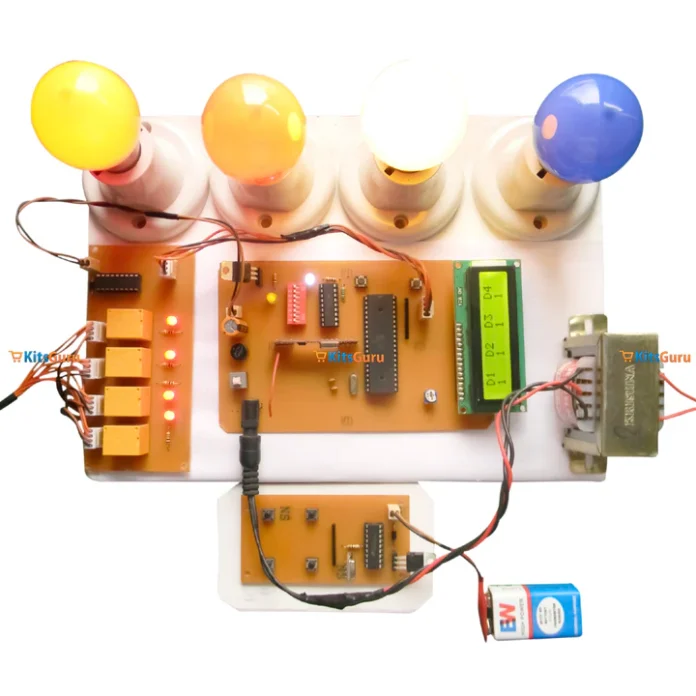
Remember when the most advanced remote in your home was the one that changed channels on your CRT television? Maybe it had a “mute” button if you were fancy. Now? Remote controls have leveled up. And the best part? You don’t need Wi-Fi, a smart hub, or some complicated app to use them.
I’m talking about the good old rf remote control, still wildly relevant in our hyper-connected world.
Unlike your standard infrared remote, which requires line-of-sight (i.e., you have to aim it perfectly like a sharpshooter), RF—or radio frequency—remotes can work through walls, furniture, and even floors. That means you can turn off the garden lights from your bed, open the garage while still halfway down the street, or control your music system tucked behind a cabinet.
No weird gestures. No yelling at Alexa. Just pure, functional control.
It’s Not “Old Tech”—It’s Smartly Simple
The beauty of RF remotes lies in their reliability. No internet? No problem. Wi-Fi down? Who cares. These devices don’t rely on networks—they operate directly, like a private handshake between the remote and the gadget.
That makes them ideal for situations where you just want things to work. Period.
Need to turn off your water pump remotely? RF.
Want to control holiday lights outside without stepping in the rain? RF.
Got a ceiling fan with no wall switch in sight? You guessed it—RF.
They’re like the utility knife of smart living: not sexy, but damn useful.
Pairing Convenience With Accessibility
There’s another layer to this, too—accessibility. RF remotes are a game changer for elderly family members or those with mobility challenges. You don’t need to pull out a smartphone, navigate a tiny app, or remember voice commands. One button. That’s it.
It brings that often-overlooked demographic back into the tech conversation. That’s a win, no matter how you slice it.
When You Start Looking at Devices Differently
Here’s something funny: once you install one of these devices—be it for safety or control—you start looking at everything in your home differently. You begin to notice gaps.
You start asking questions like:
- Why isn’t there a smoke detector in the guest room?
- Shouldn’t the geyser have an automatic shut-off?
- Can I automate the hallway lights so I’m not fumbling with switches at night?
Suddenly, you’re not just living in your house—you’re optimizing it.
And that doesn’t mean turning your home into a futuristic spaceship. It just means making it work better for you.
My Experience: A Real Talk Moment
So here’s the honest story.
Last year, I had one of those minor scares. Left the gas stove on low. No flames. No smell. Only noticed because I was reaching for a pan and felt the faintest warmth on the burner. My heart skipped. Could’ve been worse.
That night, I ordered a gas detector.
Not for drama. Not because I suddenly became paranoid. Just because it made sense. It was one of those purchases that feels like it should’ve been done years ago.
A week later, I added an RF remote system for my garage lights and pump. Not flashy stuff. But every time I use it, I’m weirdly pleased. It’s not “techie” joy—it’s functional joy. That quiet kind that comes from things working.
Are These Devices Expensive?
Let’s bust that myth right now: they’re not.
Most gas detectors cost less than a fancy dinner or your monthly Netflix subscription. RF remote kits? Often under 30 bucks depending on what you need. And both are plug-and-play. You don’t need an engineering degree or a toolbox the size of a suitcase.
If you can plug in a charger and press a button, you’re good to go.
A Word on Compatibility and Brands
Not all devices are created equal. When shopping for these, don’t just go for the cheapest one you find online. Look for certifications, reviews, and reliability.
For gas detectors, ensure they’re sensitive enough for your gas type (LPG vs methane). Some even detect carbon monoxide, which is a bonus.
For RF remotes, check the signal range and number of channels. If you’re planning to control multiple devices or lights, you’ll want a multi-channel setup.
Brands like Honeywell, Xiaomi, TP-Link, BroadLink, and Sonoff have great reputations, but there are lesser-known gems out there too. Just make sure they come with solid documentation and support.
Final Thoughts: We’re All Just Trying to Live Smarter
At the end of the day, none of us are looking to reinvent the wheel. We just want homes that are safer, more efficient, and a little more intuitive.
Devices like a gas leakage detector don’t need to be revolutionary—they just need to work when it matters most. And gadgets like an rf remote control? They let us hold the reins without overcomplicating things.
That’s the sweet spot.
So maybe this week, take a little audit of your space. Ask yourself what’s working and what could be just a little smarter. You don’t have to do it all at once. Start with the small stuff—the things that protect your home and simplify your routines.
It’s not about tech for tech’s sake. It’s about building a home that quietly has your back.
And honestly? That’s pretty brilliant.