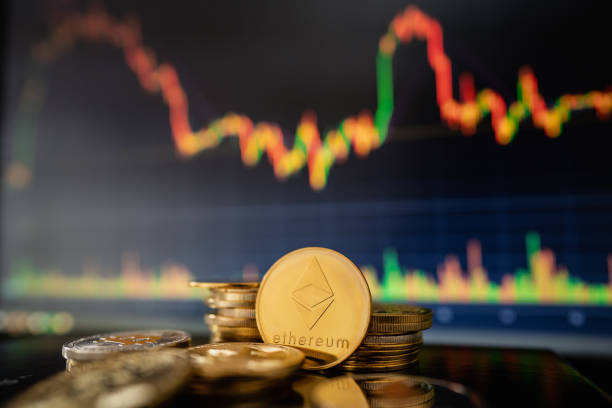
XRP, a digital currency developed by Ripple Labs, has captured the attention of investors worldwide. Its price movements present both opportunities and risks that investors need to understand thoroughly before making investment decisions.
Market Opportunities
One of the significant opportunities with XRP is its potential for high returns. Historically, XRP has experienced substantial price surges. For example, in late 2017 and early 2018, XRP’s price skyrocketed from around $0.20 to nearly $3.80. This kind of growth can turn a relatively small investment into a significant profit. Another opportunity lies in its utility. Ripple aims to revolutionize cross – border payments. If Ripple’s technology is widely adopted by financial institutions, the demand for XRP could increase significantly, driving up its price. Many banks and payment providers are already exploring Ripple’s solutions, which bodes well for XRP’s long – term prospects.
Regulatory Environment
The regulatory environment is a double – edged sword for XRP investors. On one hand, clear and favorable regulations can provide stability and boost investor confidence. For instance, if a major country were to officially recognize XRP as a legitimate financial instrument and establish a proper regulatory framework, it could attract more institutional investors. However, on the other hand, regulatory uncertainty has been a major concern. In the United States, the Securities and Exchange Commission (SEC) has filed a lawsuit against Ripple Labs, alleging that XRP is an unregistered security. This lawsuit has created a cloud of uncertainty over XRP’s future, causing its price to be volatile. The outcome of this legal battle will have a significant impact on XRP price and its viability as an investment.
Competition in the Market
XRP faces stiff competition in the cryptocurrency market. There are numerous other digital currencies, such as Bitcoin and Ethereum, which have established themselves as leaders in the space. These competitors have larger market capitalizations and more extensive user bases. Additionally, new cryptocurrencies are constantly emerging, each with its own unique features and value propositions. For example, some new projects are focusing on enhanced privacy or faster transaction speeds. To stay competitive, XRP needs to continuously innovate and differentiate itself. If it fails to do so, its market share and price could be negatively affected.
Technological Risks
Technological risks are also a factor for XRP investors. The cryptocurrency space is highly dynamic, and new technological advancements can quickly render existing technologies obsolete. XRP’s underlying technology, the XRP Ledger, needs to keep up with the latest trends in blockchain technology. For example, if a competitor develops a more secure, scalable, and energy – efficient blockchain platform, XRP could lose its competitive edge. Moreover, security is a major concern. Cryptocurrency exchanges and wallets are frequent targets of hackers. If there were a significant security breach involving XRP, it could lead to a loss of investor confidence and a sharp decline in its price.