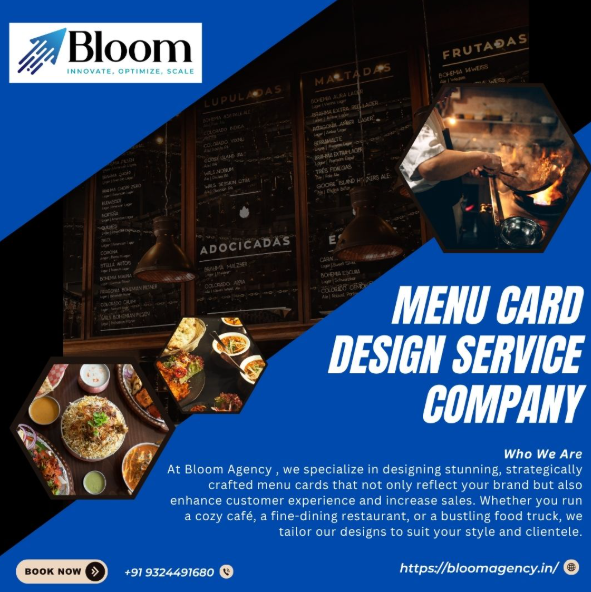
Creative Menu Card Design: Transforming Meals into Unforgettable Moments
A creative menu card design does more than enumerate dishes—it narrates a story, evokes mood, and influences your customers’ choices. Whether you operate a sophisticated urban café, an upscale fine-dining restaurant, or a vibrant street food cart, your menu card is among the most significant instruments to convey your brand and drive sales.
In this article, we examine what makes a creative menu card, how it influences customer behavior, and how you can create one that pleases, informs, and sells all in one.
Why Menu Design Matters
Your menu is the quiet ambassador of your restaurant. Within a matter of seconds, it tells your style, your values, and your culinary story. A sloppy, poorly conceived menu will confuse or intimidate your guests. A clean, innovative menu stimulates interest, enhances the dining experience, and fosters more spending.
First Impressions Count
You build perceptions around your food and service quality based on how your menu appears. Typography, layout, colors, and material all contribute to setting expectations—even before an order is placed.
It Affects Decision-Making
The optimal menu design leads your customer through the choices in a logical and psychologically astute manner. You can call out best-sellers, direct attention to high-margin items, and make suggestive bows toward combos or upgrades.
Aspects of an Excellent Menu Card Design
- Visual Hierarchy
Employ layout and type to guide the eye. Section headings must be well-established. Type sizes and weights are used to convey importance. Showcase your best-selling dishes in visual hotspots—the top-right corner or center of the page, usually.
- Typography
Fonts must be both stylish and readable. Select no more than two or three fonts in order to not have too much visual information. Serif fonts have a traditional, elegant feel to them, while sans-serif fonts are more contemporary and modern. Handwritten fonts add a personal or old-timey touch but only use them for headings or accents by creative menu card design.
- Color Scheme
Color impacts mood and hunger. Warm colors such as red and orange have the ability to stimulate appetite. Blue creates a feeling of relaxation and refinement. Employ your primary brand colors to develop consistency and brand recognition.
- Whitespace
Avoid overloading your menu with text or images. Good spacing between dishes makes the menu readable and allows each dish to be highlighted. Whitespace creates sophistication and gives the appearance of being deliberate.
- Icons and Labels
Dietary preference visual symbols—vegetarian, vegan, gluten-free, hot—make it simple for guests to find their way. Small chef symbols or icons for new items also serve to guide the eye towards priority dishes.
Creative Formats and Layouts
Folded Menus
Bi-fold or tri-fold layouts are useful for classifying information and providing you with more than one panel to play with—perfect for restaurants with diverse menus like starters, mains, desserts, and drinks.
One-Page Menus
Favored by contemporary or high-end restaurants, minimalist one-page menus focus on simplicity. They facilitate faster choices and save on printing.
Illustrated Menus
Dish, ingredient, or kitchen tool illustrations drawn by hand bring personality and creativity. Those are particularly ideal for organic cafes, brunch restaurants, or kids’ menus.
Interactive Menus
For themed or casual establishments, folding menus that look like maps, whirling menus that resemble wheels, or opening menus that slide can be engaging and interactive. Consider them entertainment items and informative tools.
Tabletop Menus & Boards
Wooden boards, leather menus, or acrylic displays can be used by some restaurants to provide physical, tactile experiences that complement the interior design. They provide an aura of opulence or ruggedness, depending on your idea.
Design Based on Restaurant Type
Fine Dining
Employ a minimalist style with upscale materials such as linen or embossed card stock. Add wine pairing recommendations, chef comments, and tasteful garnishes such as gold foil or embossing.
Casual Dining
Make it warm and inviting. Employ clean fonts, muted colors, and easy-to-read layout. Icons, combo meal boxes, and short descriptions allow patrons to make speedy selections.
Cafes and Bakeries
Warmth and charm should be embraced. Employ hand-drawn aspects, pastel colors, and innovative section headings (like “Sips & Brews” rather than “Beverages”). Chalkboard menus are suitable here.
Bars and Pubs
Bold, punchy fonts and bright graphics should be used when designing menus. Emphasize happy hours, beer flights, or specialty cocktails. Texture—metallic prints, kraft paper, or faux leather—is great for extra pizzazz.
Street Food or Food Trucks
Menus must be quick to read and simple to change. Apply bold type, large figures, and high-contrast colors. A plain laminated sheet of paper or magnetic noticeboard is perfect.
The Psychology Of Menu Writing
Price Anchoring
Put the most expensive item in every category towards the top of the page so that other choices appear cheaper by comparison. This strategy surreptitiously influences customers to perceive value differently.
No Currency Symbols
Stripping currency symbols can cause individuals to think less about price and more about the food. Writing “12” rather than “$12” minimizes price sensitivity.
Descriptive Copywriting
Descriptive menu offerings sell better. Rather than “Grilled Chicken,” use “Rosemary-Grilled Chicken Breast with Smoked Paprika Glaze.” Utilize words of taste—crispy, creamy, zesty—to create hunger.
Grouping Items Strategically
Don’t overdo the amount of options. Customers may suffer from decision fatigue. Provide 5–7 items per category, logically grouped (e.g., vegetarian, seafood, grilled, signature).
Creative Content Ideas
Storytelling Sections
Add a brief chef’s welcome note or restaurant history. Share ingredient origins, too—”Locally sourced from Himalayan farms”—to establish trust and curiosity.
Food Pairing Tips
Recommend pairings such as “Pairing well with our house Chardonnay” or “Garlic fries are perfect for this.” These upsell suggestions come across as supportive instead of aggressive.
Seasonal & Limited Menus
Swap out special menus seasonally or for events—spring harvest, holiday meals, or wine-and-cheese nights. Make these stand out with distinctive colors or small inserts.
Material Matters: Choosing the Right Print Finish
Gloss vs. Matte
Glossy menus provide shine and wipeability, ideal for casual restaurants. Matte finishes have a more sophisticated and upscale feel but are easier to stain.
Lamination
Laminated menus are durable and water-resistant, making them perfect for high-traffic or outdoor establishments.
Eco-Friendly Paper
Compostable or recycled paper choices are ideal for environmentally conscious restaurants. Combine with a message about your environmental stewardship.
Premium Touches
Embossing, foil stamping, textured stock, or stitched spines turn the menu into a premium brand experience.
Digital & Hybrid Menus
Although print remains the favorite for atmosphere and haptic involvement, digital menus provide versatility. Increasingly, restaurants supplement printed menus with QR codes that direct to:
Translated versions
Allergen information
Ingredient procurement
Online ordering platforms
Augmented reality displays
A hybrid approach enables you to easily make changes to items while maintaining the character of a physical card.
Design Tips for Maximum Impact
Keep It On-Brand
Your menu should reflect your restaurant’s atmosphere—from color scheme to tone. A high-end steakhouse needn’t employ cartoon fonts; a vegan café most likely shouldn’t be black and gold across the board.
Use High-Quality Photos Infrequently
Food photography is a double-edged sword. Unflattering lighting or unrealistic photo opportunities can work against you. Use minimal, if any, and make sure they’re professionally staged.
Refresh Frequently
Outdated items, crossed-out prices, or typos can ruin your professional image. Review and refresh menus regularly.
Test and Tweak
Watch how guests use the menu. Which items get overlooked? Which do they linger on? Use this data to refine the layout or descriptions.
Focus on Readability
If customers are squinting to read, you’ve lost them. Prioritize legible fonts, logical spacing, and accessible design.
Conclusion: Your Menu Is More Than a List
Creative menu card design is a science and an art. It is a matter of branding, storytelling, visual hierarchy, material choice, and understanding the psychology of customers. Done correctly, your menu can take your dining experience to the next level, increase sales, and make casual customers into devoted fans.
Whether you’re launching a new restaurant or revamping an existing one, never underestimate the power of a well-thought-out creative menu card design. It’s more than just ink on paper—it’s a window into your culinary world.