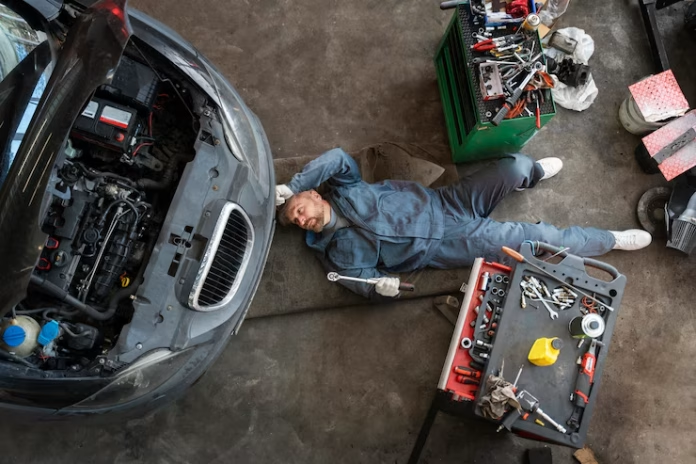
Until the day your car won’t start, your automobile’s battery can be one of its most neglected parts. Knowing how long a car battery lasts and what influences its lifespan is crucial for preventing roadside problems and making sure your car operates smoothly, regardless of your level of driving experience. Everything you need to know about car battery longevity, upkeep, and when to replace it will be covered in this extensive book.
1. Describe a car battery and explain its significance.
The engine that makes it possible for your car to start is the battery. It supplies the electrical energy required for the infotainment system, lighting, windows, engine starting, and other functions. It is necessary for electrical component ignition and operation because it stores chemical energy and transforms it into electrical power. Your automobile won’t start if the battery isn’t working.
2. The typical lifespan of an automobile battery
A normal automotive battery lasts three to five years on average, though this can vary based on a number of factors like usage, environment, and maintenance. Under the right circumstances, some high-quality batteries may survive up to six or seven years, although they are the outliers rather than the rule. After three years, the majority of manufacturers advise evaluating the battery’s status once a year.
3. Elements That Impact Vehicle Battery Life
A car battery’s lifespan is influenced by a number of things. These consist of:
Climate: Batteries may not last as long in extremely hot or cold temperatures. While frigid temperatures can lessen the battery’s capacity to produce power, high temperatures cause the battery fluid to evaporate.
Driving Practices: Short excursions frequently keep the battery from charging completely. Better battery charging is possible when travelling long distances at steady speeds.
Electrical Load: Using several electrical accessories, such as heated seats, air conditioning, or sophisticated infotainment systems, will strain the battery.
Maintenance: Negligent maintenance can shorten the life and efficiency of batteries, such as letting corrosion accumulate on the terminals.
Vehicle Type and Usage: Batteries may be subjected to greater strain in older cars or those with antiquated charging mechanisms.
4. Indications That Your Car’s Battery Is Dying
A battery frequently exhibits warning indications before to total failure, much like any other component of your vehicle. Keep an eye out for:
Engine cranking slowly
Headlights or dashboard lights that are dim
When turning on the ignition, a clicking sound
Regularly having to jump-start
A battery case that is leaking or bulging
Examine the warning lights on the battery or engine.
These signs could mean that the battery needs to be examined or replaced since it is losing its ability to charge.
5. How to Check the Battery in Your Car
The best thing to do if you think your battery is failing is to test it. You can perform this in an auto repair shop or at home with a multimeter. When the automobile is off, a good battery should register 12.6 volts or higher; when the engine is running, it should read between 13.7 and 14.7 volts. Anything noticeably lower than these numbers can indicate a poor battery or a charging system issue.
6. Automobile Battery Types
Car batteries vary from one another. Typical kinds include of:
The most widely used, reasonably priced, and dependable batteries are lead-acid ones.
Absorbent glass mat (AGM) batteries are more costly but offer superior longevity and performance; they are frequently seen in cars with start-stop systems.
Lithium-Ion Batteries: Usually seen in hybrid and electric cars.
Your battery’s performance, cost, and lifespan can all be impacted by the type you select. For the best fit, always consult your car’s manual or a professional.
7. The Alternator’s Role
The alternator in your car is essential for prolonging battery life since it recharges the battery while the engine is operating. The battery may drain more quickly if the alternator fails since it won’t get enough power. It’s crucial to get both tested if you’re having troubles because a malfunctioning alternator might mimic battery problems.
8. Effects of Driving Style and Frequency
Short commutes or occasional driving are common features of modern lifestyles. Because the alternator doesn’t have enough time to properly recharge the battery, this could have a detrimental effect on your car’s battery. Long stretches of inactivity can also cause batteries to drain. Long periods of inactivity can be avoided by using a trickle charger or battery maintainer.
9. Battery Life Extension Maintenance Advice
Your car battery’s lifespan can be considerably increased with proper maintenance. Here are some pointers for upkeep:
Make sure the terminals are corrosion-free and clean.
To prevent vibrations, make sure the battery is secured firmly.
If necessary, check the electrolyte levels.
When the engine is off, don’t leave lights or electronics on.
Regularly check the charging system and battery.
Unnecessary battery drain can be avoided with simple habits like shutting off gadgets before turning off the ignition.
10. How and When to Replace a Battery
The only option is to replace your battery when its useful life is coming to an end. If you’re going on a road trip or into inclement weather, it’s advisable to replace your battery before it totally dies. Changing a battery entails:
First, disconnect the negative cable.
Taking the battery out of the tray
Putting the new battery in backwards
It is best to have the replacement done at a reputable vehicle repair shop if you are hesitant.
11. How Much Does It Cost to Change a Car Battery?
The type and brand of a new automobile battery affect its price. Standard batteries typically range in price from $70 to $200, however quality AGM or speciality batteries can cost as much as $300. If you have it changed at a dealership or repair facility, labour costs can also be incurred. Purchasing a high-quality battery could result in improved performance and a longer lifespan.
12. Recycling and Its Effect on the Environment
Automobile batteries are dangerous if not disposed of appropriately since they contain lead and acid. Thankfully, 95% of automobile batteries can be recycled. Battery recycling services are available at the majority of vehicle repair shops and parts retailers. A automobile battery should never be thrown in the trash. Recycling preserves valuable materials while also safeguarding the environment.
13. Batteries for Electric and Hybrid Cars
Conventional automobile batteries are not the same as hybrid or electric vehicle batteries. They are bigger, more intricate, and far more costly—replacing them frequently costs thousands of dollars. However, depending on driving circumstances and manufacturer guarantees, they typically survive eight to ten years or even more. Additionally, these batteries are becoming more recyclable, which lessens their impact on the environment.
14. Quick Fixes for Dead Batteries
Keeping a portable jump starter or a set of jumper cables in your car might be extremely helpful in the event that your battery dies suddenly. Furthermore, organisations like roadside assistance might offer aid right away. To avoid being caught off guard, it’s a good idea to get your battery examined during routine maintenance.
15. Concluding Remarks: Remain Active
What is the average lifespan of a car battery? Although the typical response is three to five years, you may prolong its life and save money by being proactive with maintenance, driving carefully, and keeping an eye out for warning indications. Peace of mind is guaranteed by a dependable automobile battery, particularly during lengthy excursions or in inclement weather. Your car will continue to operate smoothly and effectively with routine inspections, appropriate charging, and prompt replacement.
In conclusion
Like the engine or tyres, the battery in your automobile is an essential part that has to be maintained. You can make better maintenance and replacement plans if you know how long a battery usually lasts and the elements that affect it. Battery health is crucial for both safety and optimum performance, regardless of whether you drive an electric or gasoline-powered car. If you take good care of your battery, it will reciprocate each time you turn the key.