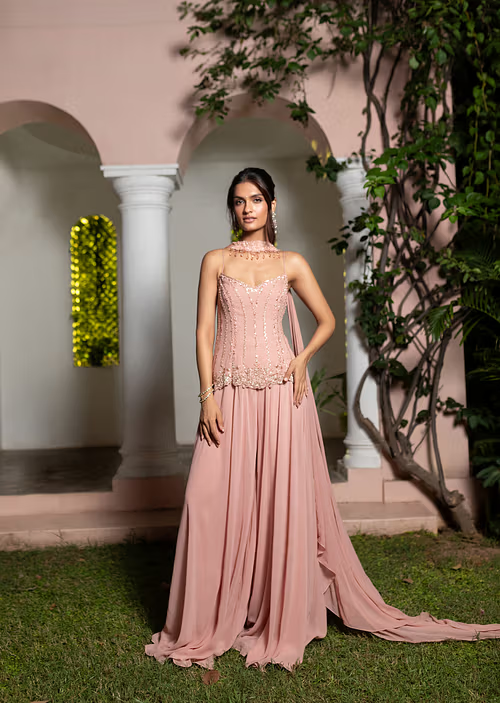
The Sharara garment is a classic representation of grace, grandeur, and cultural heritage in the dynamic realm of ethnic fashion. The Sharara, which was formerly a staple of royal families’ traditional Mughal-era clothing, has elegantly stood the test of time and is now a wardrobe staple for ladies in South Asia and beyond. With its dramatic flair and regal silhouette, the Sharara never fails to make an impact, whether it’s at a formal event, wedding, or a celebratory celebration.
The Origins and Extensive History of Sharara
The origins of the Sharara dress can be traced to the Mughal courts, where noblewomen wore it as a sign of refinement and wealth. Usually composed of luxurious materials like silk, brocade, or muslin, it was adorned with fine zari work, hand embroidery, and other embellishments. A short or long kurti (shirt), a dupatta (scarf), and a pair of wide-legged pants that were fitted to the knee and flared from there made up the original Sharara. The wealth of the era was reflected in the expensive jewellery that was frequently worn with it.
The Sharara garment changed over the years, yet it never lost its majesty. It became a vital component of festive wardrobes and bridal trousseaus after gaining enormous popularity in places like Delhi, Hyderabad, and Lucknow. The Sharara has been reinterpreted by designers in Pakistan and India today, who have combined classic style with modern flare.
The Sharara Dress’s Anatomy
The wide-legged, flared trousers that set the Sharara apart from similar ensembles like the gharara or lehenga are its defining characteristic. A sharara falls freely from the waist, creating a dramatic and elegant silhouette, whereas a gharara features a sewn band below the knee for added flair. The Sharara dress is versatile enough to fit a variety of body shapes and events when paired with a long straight-cut kameez, a mid-length kurti, or a short peplum-style top.
The dupatta is also essential to finishing the ensemble. Depending on the style and the level of formality of the occasion, it is typically draped over one shoulder or both and embellished with lace, embroidery, or other ornaments.
Textiles That Exude Style
A Sharara dress’s fabric selections greatly influence both its comfort and appearance. Depending on the event and weather, traditional choices include silk, georgette, nett, chiffon, crepe, and velvet. While georgette and chiffon are favoured for their airy feel and elegant drape, making them great for summer events, silk and velvet are best for formal events and weddings in the winter.
Today’s eco-aware designers are also experimenting with sustainable blends and organic cottons, which gives the Sharara a contemporary, moral edge without sacrificing its allure.
Sharara Wedding and Festive Event Dress
The wedding ceremony is arguably the most iconic occasion for a Sharara dress. Richly embroidered Sharara ensembles are frequently chosen by Indian and Pakistani brides for pre-wedding events such as mehendi, sangeet, and nikkah ceremonies. The elaborate beadwork, rich colours, and opulent embroidery make it perfect for festive occasions.
Sharara dresses are becoming as fashionable as lehengas, even as bridal wear. Heavy zardozi, gota patti, and mirror work are being used by designers to create wedding shararas that are more comfortable and allow for greater mobility than heavier lehengas, all while reflecting the grandeur of the occasion.
Sharara in Modern Style
Tradition and modern silhouettes are combined in modern versions of the Sharara dress. Shararas are frequently worn with crop tops, jackets, asymmetrical kurtis, or even capes by today’s stylish ladies. Pastel colours, fusion cuts, and minimalist embroidery have increased the Sharara’s wearability, versatility, and appeal to younger audiences.
A Sharara is frequently seen wearing striking accessories, belted dupattas, and even sneakers—particularly in influencer and fashion editorial styling. A traditional ensemble is given new life by this fusion technique, which makes it appropriate for a high-fashion occasion as well as a Diwali dinner.
How to Style a Sharara Dress
Balance is essential when styling a Sharara dress. If your Sharara pants have a lot of embroidery or pattern, go for a more straightforward kurti and few accessories. On the other hand, for a striking ensemble, a Sharara with subtle embroidery or a plain design might be worn with a shirt that is richly adorned.
Jewellery options range from long polki necklaces to elegant chokers to jhumkas and chandbalis. Don’t be afraid to wear passa or maang tikkas for your wedding. The greatest footwear options are heeled sandals or juttis, and the traditional outfit is finished with potlis or clutch bags.
For All Body Types, Sharara
The Sharara dress’s ability to fit all body shapes is one of its best features. While the top styles can be tailored to fit hourglass, pear, apple, or rectangle body shapes, the flared bottoms lengthen the legs and provide the appearance of slimming. Curvier ladies can choose longer kurtis and rigid fabrics for better support and definition, while petite women might use high-waisted Shararas with shorter tops to generate height.
Sharara Children’s and Teens’ Clothes
Adults are not the only ones who find the Sharara garment charming. Children’s and teenagers’ sharara suits have grown in popularity for festivals and weddings. These tiny replicas are available in vibrant hues, whimsical patterns, and comfortable, flexible styles. Shararas made of cotton or georgette with little decorations are the ideal combination of fashion and cosiness for younger girls.
Sharara on the International Scene
The Sharara dress has also become well-known on international fashion runways and red carpets as a result of South Asian fashion’s widespread appeal. The Sharara’s style has been adopted by Bollywood stars, fashion influencers, and even Western designers, who have combined it with western styles or used it in photo shoots. The Sharara has become a global fashion statement due to its increased visibility worldwide.
The Impact of Media and Bollywood
The Sharara dress has gained a lot of popularity thanks in large part to Bollywood. Movies like Veer-Zaara, Kabhi Khushi Kabhie Gham, and more lately Kalank have all shown Shararas in all their royal splendour. These outfits have been frequently spotted on celebrities like Kareena Kapoor, Alia Bhatt, and Deepika Padukone, who have influenced bridal and festive fashion and started trends.
Eco-Friendly Sharara Clothing
Sharara gowns are being reinterpreted through the prism of ethical and slow fashion as sustainability becomes a major concern in contemporary fashion. Handloom textiles, natural dyes, and age-old embroidery methods like chikankari and hand block printing are all helping to support artisans. Customers are urged to purchase fine Shararas that are adaptable and suitable for a variety of occasions and seasons.
How to Take Care of Your Sharara Dress
A Sharara garment needs to be properly cared for and stored because of the delicate fabrics and needlework. Dry cleaning is usually advised, particularly for items with a lot of embellishment. To keep them from stretching, keep them in muslin fabric bags in a dry location and don’t hang heavy clothing. Gentle hand washing and air drying are appropriate for Shararas made of cotton or plain georgette.
Sharara Fashion’s Future
The Sharara dress will continue to be a mainstay in fusion and ethnic outfits. It keeps reinventing classic clothing for the contemporary woman with its changing cuts, novel colour schemes, and cutting-edge styling. The Sharara is set to take centre stage in bridal couture and festive collections for years to come as fashion grows more creative and inclusive.
In conclusion
The Sharara dress is more than just a piece of clothing; it’s a synthesis of culture, history, and changing fashion. It has preserved a tradition of elegance and magnificence from the Mughal Empire’s imperial palaces to Paris’s and Mumbai’s fashion runways. The Sharara continues to be a timeless item that honours femininity, grace, and cultural pride whether it is worn in its traditional form or with a modern touch. The Sharara dress is the best option for any woman looking to create a striking yet classic fashion statement.